Featured Cabins
Itinerary
Porto, Portugal
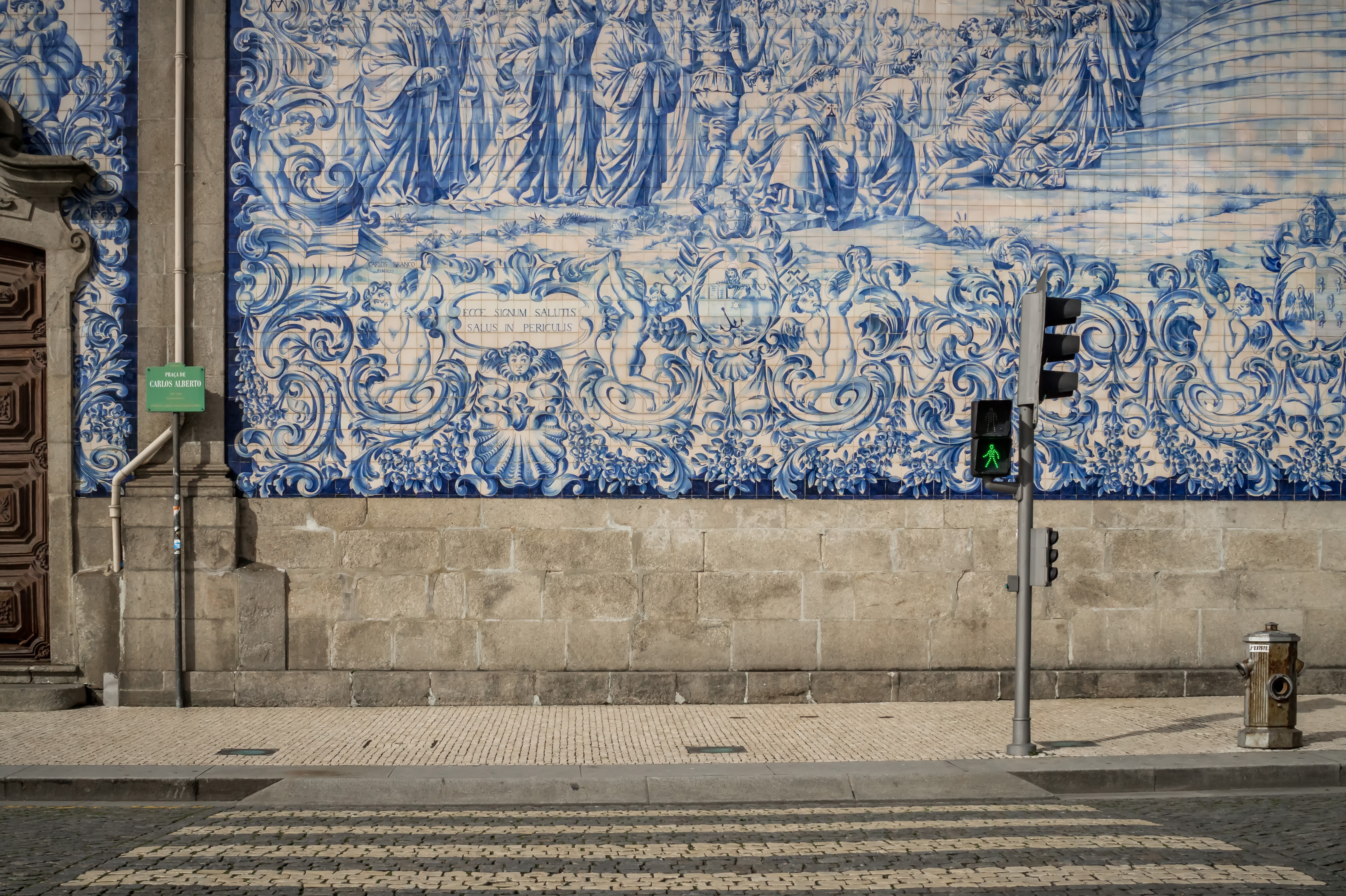
Lively, commercial Oporto is the second largest city in Portugal after Lisbon. Also called Porto for short, the word easily brings to mind the city’s most famous product – port wine. Oporto’s strategic location on the north bank of the Douro River has accounted for the town’s importance since ancient times. The Romans built a fort here where their trading route crossed the Douro, and the Moors brought their own culture to the area. Oporto profited from provisioning crusaders en route to the Holy Land and enjoyed the riches from Portuguese maritime discoveries during the 15th and 16th centuries. Later, port wine trade with Britain compensated for the loss of the spice trade and the end of gold and gem shipments from Brazil. In the 19th century, the city went through a period of new prosperity with the rise of industries. In its wake followed the building of workers’ quarters and opulent residences. Since the declaration of Oporto as a World Heritage Site by UNESCO, the city aims to build up a cultural reference that will provide it with a new image, based on deep historical roots. Among the attractions that make Oporto such an interesting place are its graceful bridges spanning the Douro River, a picturesque riverfront quarter and, most notable, its world-famous port wine lodges. Although Oporto is a bustling centre and home to many different businesses, the source of its greatest fame is the rich, sweet fortified red wine we know as port.
Porto, Portugal
Lively, commercial Oporto is the second largest city in Portugal after Lisbon. Also called Porto for short, the word easily brings to mind the city’s most famous product – port wine. Oporto’s strategic location on the north bank of the Douro River has accounted for the town’s importance since ancient times. The Romans built a fort here where their trading route crossed the Douro, and the Moors brought their own culture to the area. Oporto profited from provisioning crusaders en route to the Holy Land and enjoyed the riches from Portuguese maritime discoveries during the 15th and 16th centuries. Later, port wine trade with Britain compensated for the loss of the spice trade and the end of gold and gem shipments from Brazil. In the 19th century, the city went through a period of new prosperity with the rise of industries. In its wake followed the building of workers’ quarters and opulent residences. Since the declaration of Oporto as a World Heritage Site by UNESCO, the city aims to build up a cultural reference that will provide it with a new image, based on deep historical roots. Among the attractions that make Oporto such an interesting place are its graceful bridges spanning the Douro River, a picturesque riverfront quarter and, most notable, its world-famous port wine lodges. Although Oporto is a bustling centre and home to many different businesses, the source of its greatest fame is the rich, sweet fortified red wine we know as port.
Pinhão, Portugal
The little town of Pinhão is surrounded by enchanting vineyards and the quintas that produce the wine. You can visit them from Pinhão and enjoy tours and wine tasting.The town itself is very unspoilt and has a lovely atmosphere, which makes it a splendid place for a stroll. Be sure to take a look at the Linha do Douro train station, which is decorated with richly coloured azulejo tiles
Barca d’Alva, Portugal
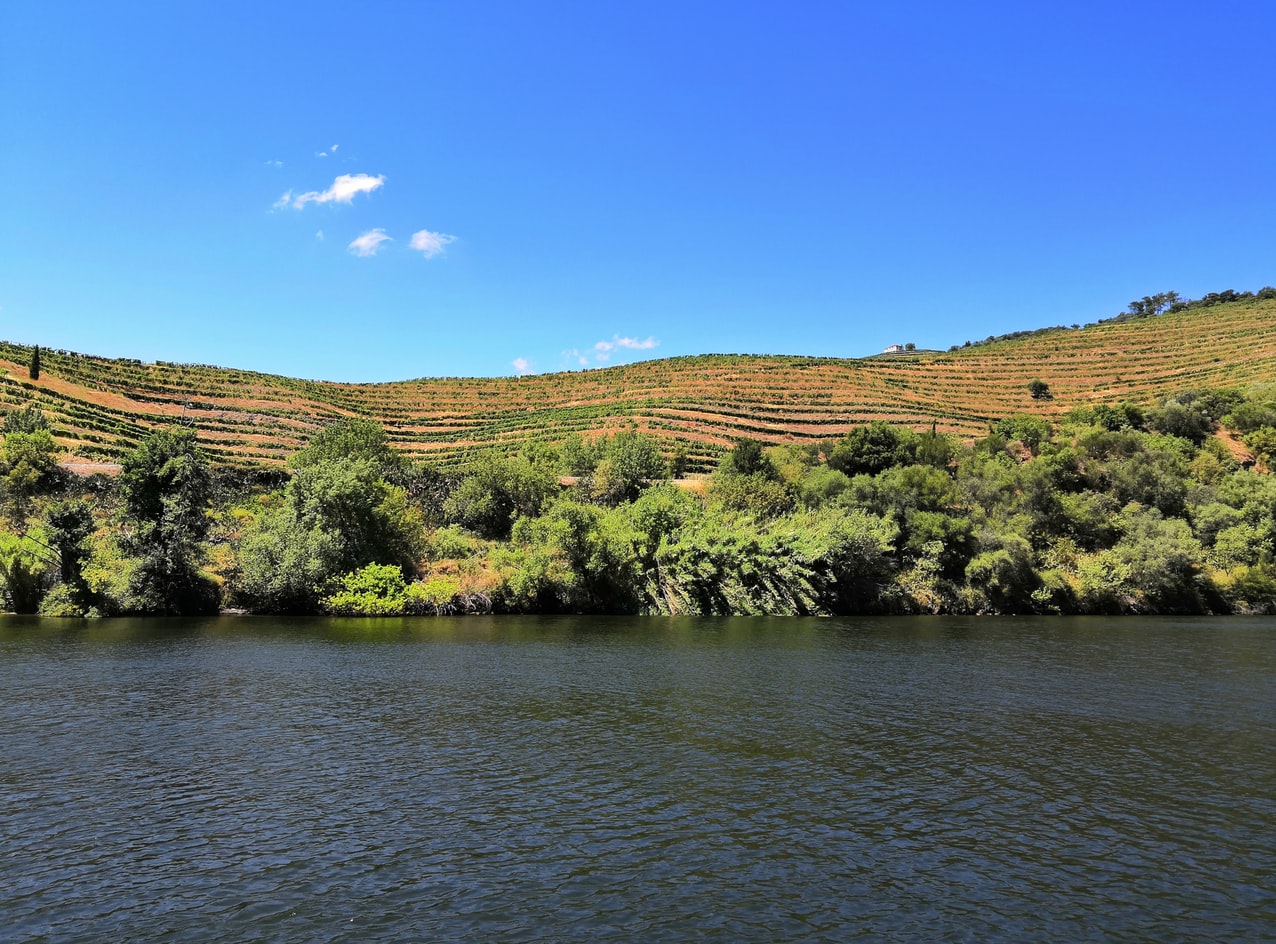
Amidst the hilly landscape of the Parque Natural do Douro lies Barca d’Alva. The tranquil village serves as the perfect starting point for excursions to Castelo Rodrigo and Salamanca.
Vega de Terrón, Spain
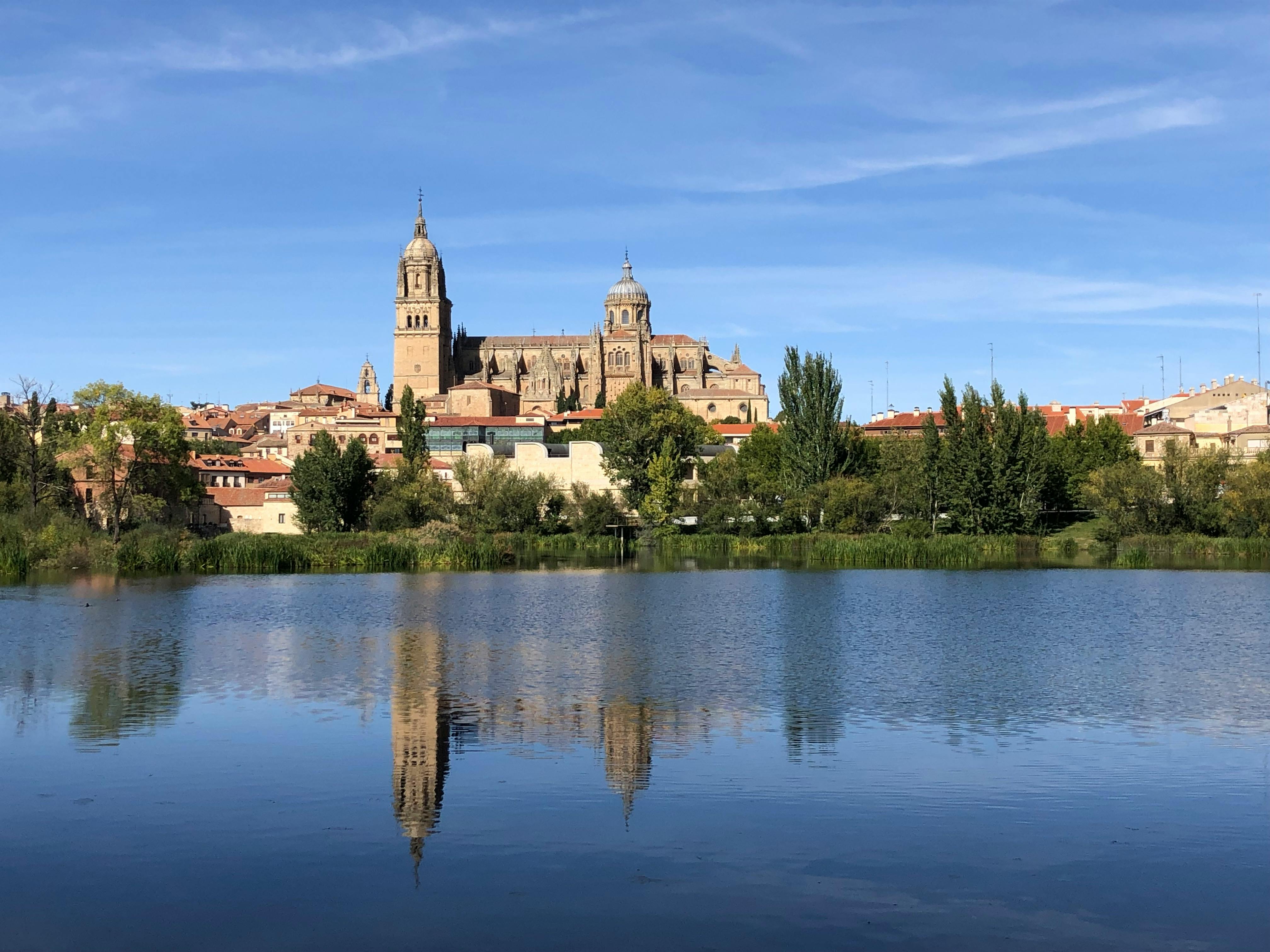
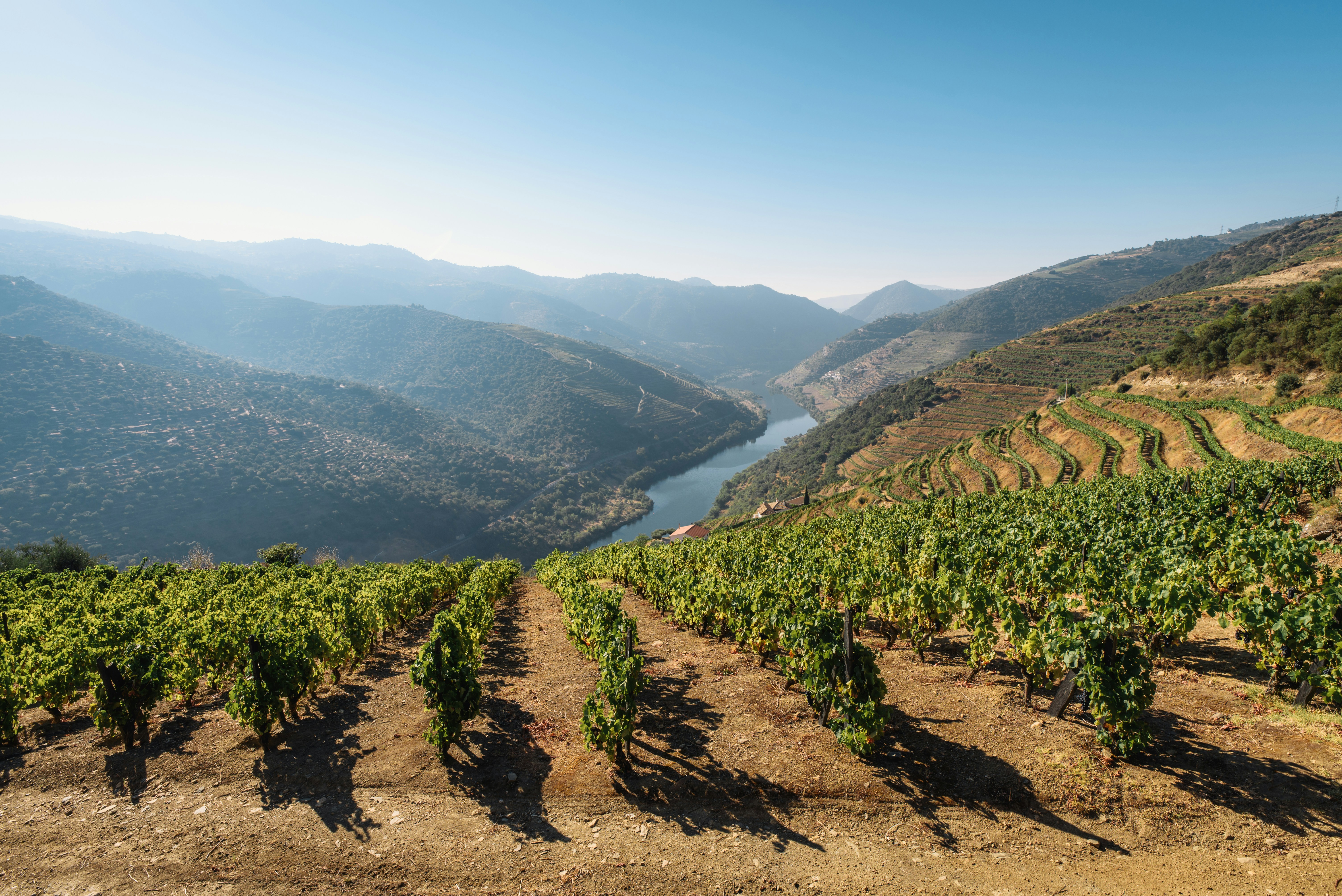
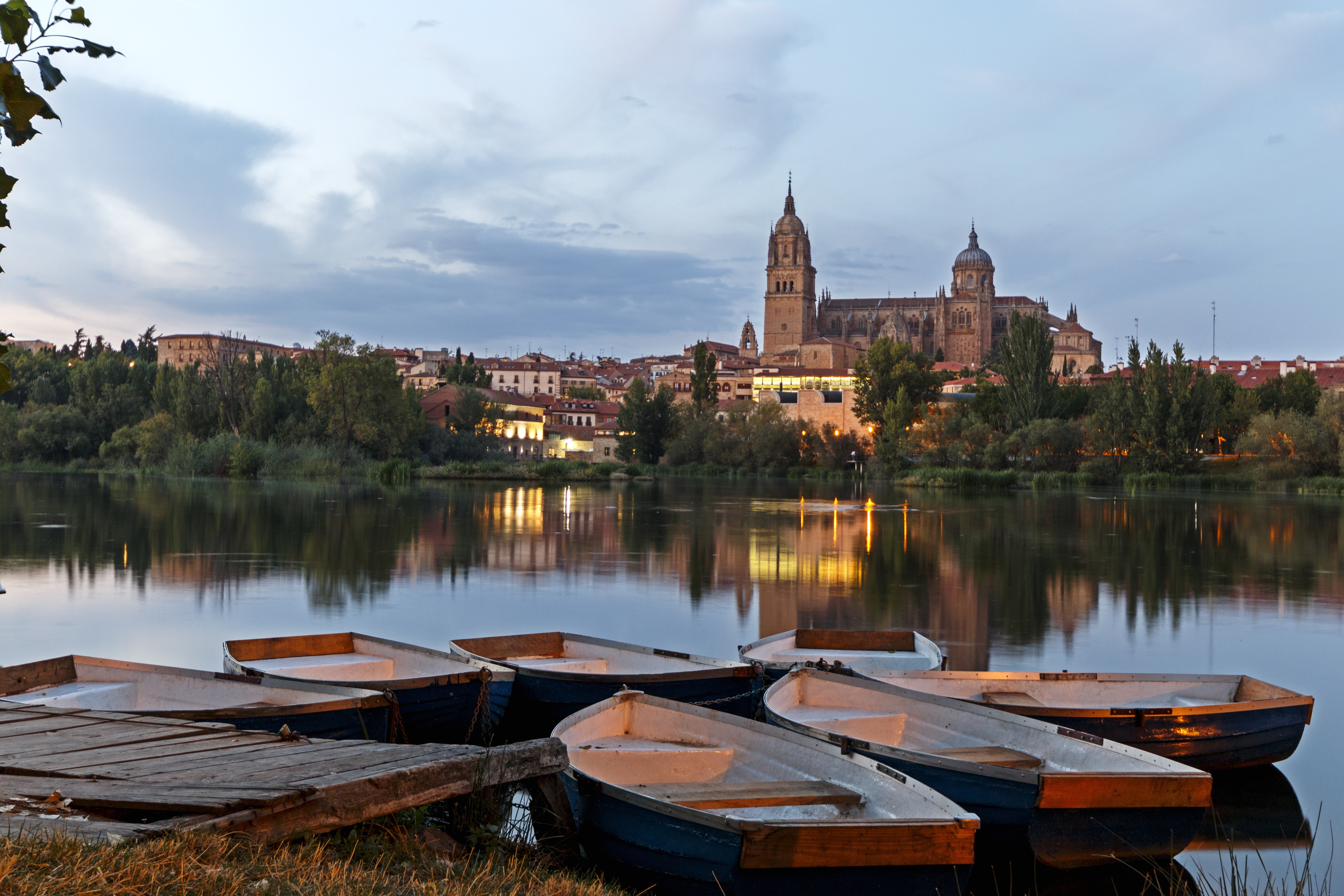
In Vega Terrón, the Agueda joins the Douro. Both rivers form the natural border between Portugal and Spain. From here, you can take a trip to the Spanish city of Salamanca. With its new cathedral, old town and famous university, the city has a very special flair. Don’t miss Salamanca’s UNESCO World Heritage Site!
Pinhão, Portugal
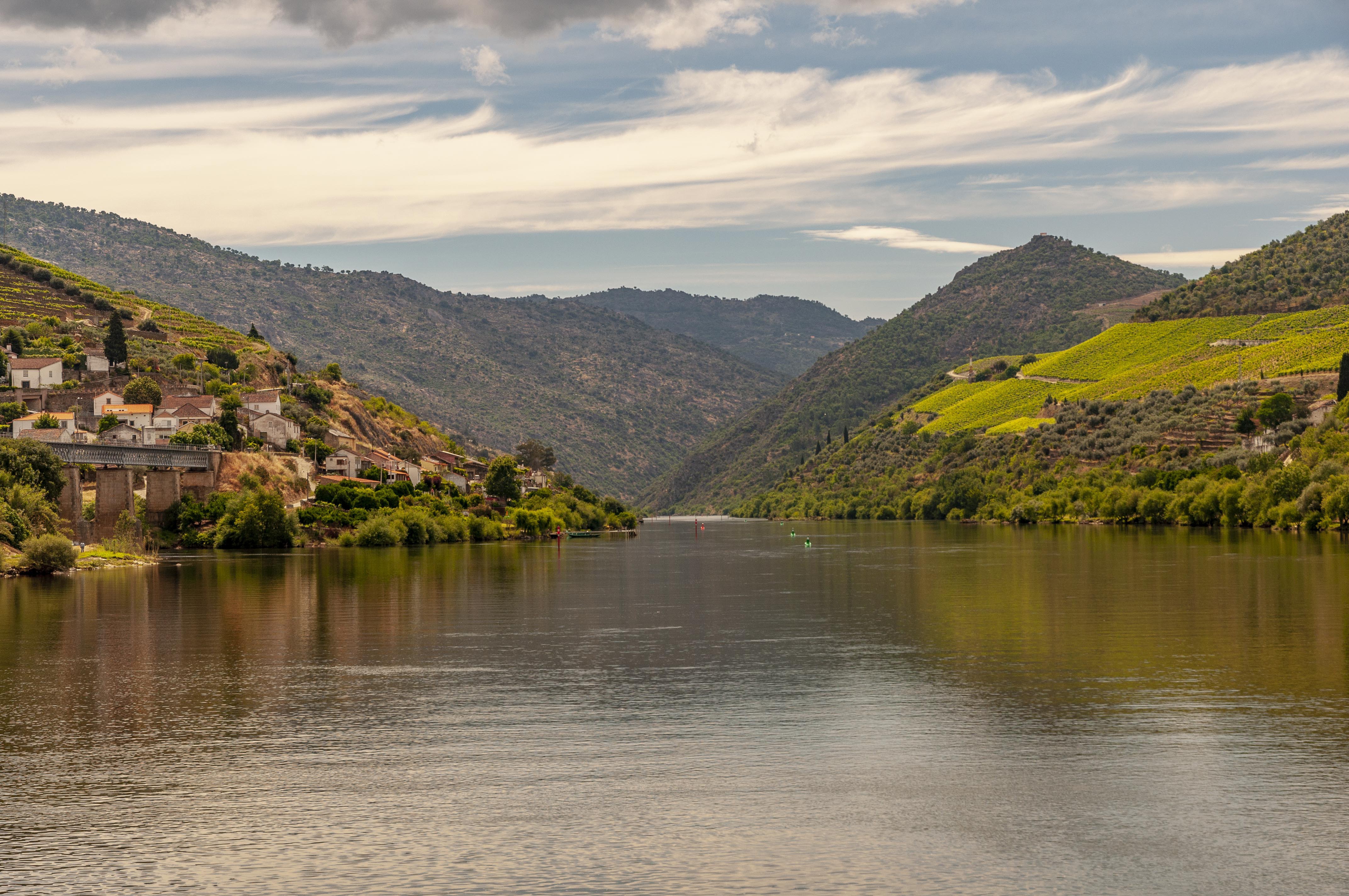
The little town of Pinhão is surrounded by enchanting vineyards and the quintas that produce the wine. You can visit them from Pinhão and enjoy tours and wine tasting.The town itself is very unspoilt and has a lovely atmosphere, which makes it a splendid place for a stroll. Be sure to take a look at the Linha do Douro train station, which is decorated with richly coloured azulejo tiles
Leverinho, Portugal
The rustic Leverinho is not far from Porto. From here, you can set off on exciting excursions to the harbour city.
Porto, Portugal
Lively, commercial Oporto is the second largest city in Portugal after Lisbon. Also called Porto for short, the word easily brings to mind the city’s most famous product – port wine. Oporto’s strategic location on the north bank of the Douro River has accounted for the town’s importance since ancient times. The Romans built a fort here where their trading route crossed the Douro, and the Moors brought their own culture to the area. Oporto profited from provisioning crusaders en route to the Holy Land and enjoyed the riches from Portuguese maritime discoveries during the 15th and 16th centuries. Later, port wine trade with Britain compensated for the loss of the spice trade and the end of gold and gem shipments from Brazil. In the 19th century, the city went through a period of new prosperity with the rise of industries. In its wake followed the building of workers’ quarters and opulent residences. Since the declaration of Oporto as a World Heritage Site by UNESCO, the city aims to build up a cultural reference that will provide it with a new image, based on deep historical roots. Among the attractions that make Oporto such an interesting place are its graceful bridges spanning the Douro River, a picturesque riverfront quarter and, most notable, its world-famous port wine lodges. Although Oporto is a bustling centre and home to many different businesses, the source of its greatest fame is the rich, sweet fortified red wine we know as port.
Porto, Portugal
Lively, commercial Oporto is the second largest city in Portugal after Lisbon. Also called Porto for short, the word easily brings to mind the city’s most famous product – port wine. Oporto’s strategic location on the north bank of the Douro River has accounted for the town’s importance since ancient times. The Romans built a fort here where their trading route crossed the Douro, and the Moors brought their own culture to the area. Oporto profited from provisioning crusaders en route to the Holy Land and enjoyed the riches from Portuguese maritime discoveries during the 15th and 16th centuries. Later, port wine trade with Britain compensated for the loss of the spice trade and the end of gold and gem shipments from Brazil. In the 19th century, the city went through a period of new prosperity with the rise of industries. In its wake followed the building of workers’ quarters and opulent residences. Since the declaration of Oporto as a World Heritage Site by UNESCO, the city aims to build up a cultural reference that will provide it with a new image, based on deep historical roots. Among the attractions that make Oporto such an interesting place are its graceful bridges spanning the Douro River, a picturesque riverfront quarter and, most notable, its world-famous port wine lodges. Although Oporto is a bustling centre and home to many different businesses, the source of its greatest fame is the rich, sweet fortified red wine we know as port.
Pinhão, Portugal
The little town of Pinhão is surrounded by enchanting vineyards and the quintas that produce the wine. You can visit them from Pinhão and enjoy tours and wine tasting.The town itself is very unspoilt and has a lovely atmosphere, which makes it a splendid place for a stroll. Be sure to take a look at the Linha do Douro train station, which is decorated with richly coloured azulejo tiles
Barca d’Alva, Portugal
Amidst the hilly landscape of the Parque Natural do Douro lies Barca d’Alva. The tranquil village serves as the perfect starting point for excursions to Castelo Rodrigo and Salamanca.
Vega de Terrón, Spain
In Vega Terrón, the Agueda joins the Douro. Both rivers form the natural border between Portugal and Spain. From here, you can take a trip to the Spanish city of Salamanca. With its new cathedral, old town and famous university, the city has a very special flair. Don’t miss Salamanca’s UNESCO World Heritage Site!
Pinhão, Portugal
The little town of Pinhão is surrounded by enchanting vineyards and the quintas that produce the wine. You can visit them from Pinhão and enjoy tours and wine tasting.The town itself is very unspoilt and has a lovely atmosphere, which makes it a splendid place for a stroll. Be sure to take a look at the Linha do Douro train station, which is decorated with richly coloured azulejo tiles
Leverinho, Portugal
The rustic Leverinho is not far from Porto. From here, you can set off on exciting excursions to the harbour city.
Porto, Portugal
Lively, commercial Oporto is the second largest city in Portugal after Lisbon. Also called Porto for short, the word easily brings to mind the city’s most famous product – port wine. Oporto’s strategic location on the north bank of the Douro River has accounted for the town’s importance since ancient times. The Romans built a fort here where their trading route crossed the Douro, and the Moors brought their own culture to the area. Oporto profited from provisioning crusaders en route to the Holy Land and enjoyed the riches from Portuguese maritime discoveries during the 15th and 16th centuries. Later, port wine trade with Britain compensated for the loss of the spice trade and the end of gold and gem shipments from Brazil. In the 19th century, the city went through a period of new prosperity with the rise of industries. In its wake followed the building of workers’ quarters and opulent residences. Since the declaration of Oporto as a World Heritage Site by UNESCO, the city aims to build up a cultural reference that will provide it with a new image, based on deep historical roots. Among the attractions that make Oporto such an interesting place are its graceful bridges spanning the Douro River, a picturesque riverfront quarter and, most notable, its world-famous port wine lodges. Although Oporto is a bustling centre and home to many different businesses, the source of its greatest fame is the rich, sweet fortified red wine we know as port.
Porto, Portugal
Lively, commercial Oporto is the second largest city in Portugal after Lisbon. Also called Porto for short, the word easily brings to mind the city’s most famous product – port wine. Oporto’s strategic location on the north bank of the Douro River has accounted for the town’s importance since ancient times. The Romans built a fort here where their trading route crossed the Douro, and the Moors brought their own culture to the area. Oporto profited from provisioning crusaders en route to the Holy Land and enjoyed the riches from Portuguese maritime discoveries during the 15th and 16th centuries. Later, port wine trade with Britain compensated for the loss of the spice trade and the end of gold and gem shipments from Brazil. In the 19th century, the city went through a period of new prosperity with the rise of industries. In its wake followed the building of workers’ quarters and opulent residences. Since the declaration of Oporto as a World Heritage Site by UNESCO, the city aims to build up a cultural reference that will provide it with a new image, based on deep historical roots. Among the attractions that make Oporto such an interesting place are its graceful bridges spanning the Douro River, a picturesque riverfront quarter and, most notable, its world-famous port wine lodges. Although Oporto is a bustling centre and home to many different businesses, the source of its greatest fame is the rich, sweet fortified red wine we know as port.
Porto, Portugal
Lively, commercial Oporto is the second largest city in Portugal after Lisbon. Also called Porto for short, the word easily brings to mind the city’s most famous product – port wine. Oporto’s strategic location on the north bank of the Douro River has accounted for the town’s importance since ancient times. The Romans built a fort here where their trading route crossed the Douro, and the Moors brought their own culture to the area. Oporto profited from provisioning crusaders en route to the Holy Land and enjoyed the riches from Portuguese maritime discoveries during the 15th and 16th centuries. Later, port wine trade with Britain compensated for the loss of the spice trade and the end of gold and gem shipments from Brazil. In the 19th century, the city went through a period of new prosperity with the rise of industries. In its wake followed the building of workers’ quarters and opulent residences. Since the declaration of Oporto as a World Heritage Site by UNESCO, the city aims to build up a cultural reference that will provide it with a new image, based on deep historical roots. Among the attractions that make Oporto such an interesting place are its graceful bridges spanning the Douro River, a picturesque riverfront quarter and, most notable, its world-famous port wine lodges. Although Oporto is a bustling centre and home to many different businesses, the source of its greatest fame is the rich, sweet fortified red wine we know as port.
Porto, Portugal
Lively, commercial Oporto is the second largest city in Portugal after Lisbon. Also called Porto for short, the word easily brings to mind the city’s most famous product – port wine. Oporto’s strategic location on the north bank of the Douro River has accounted for the town’s importance since ancient times. The Romans built a fort here where their trading route crossed the Douro, and the Moors brought their own culture to the area. Oporto profited from provisioning crusaders en route to the Holy Land and enjoyed the riches from Portuguese maritime discoveries during the 15th and 16th centuries. Later, port wine trade with Britain compensated for the loss of the spice trade and the end of gold and gem shipments from Brazil. In the 19th century, the city went through a period of new prosperity with the rise of industries. In its wake followed the building of workers’ quarters and opulent residences. Since the declaration of Oporto as a World Heritage Site by UNESCO, the city aims to build up a cultural reference that will provide it with a new image, based on deep historical roots. Among the attractions that make Oporto such an interesting place are its graceful bridges spanning the Douro River, a picturesque riverfront quarter and, most notable, its world-famous port wine lodges. Although Oporto is a bustling centre and home to many different businesses, the source of its greatest fame is the rich, sweet fortified red wine we know as port.
Pinhão, Portugal
The little town of Pinhão is surrounded by enchanting vineyards and the quintas that produce the wine. You can visit them from Pinhão and enjoy tours and wine tasting.The town itself is very unspoilt and has a lovely atmosphere, which makes it a splendid place for a stroll. Be sure to take a look at the Linha do Douro train station, which is decorated with richly coloured azulejo tiles
Barca d’Alva, Portugal
Amidst the hilly landscape of the Parque Natural do Douro lies Barca d’Alva. The tranquil village serves as the perfect starting point for excursions to Castelo Rodrigo and Salamanca.
Vega de Terrón, Spain
In Vega Terrón, the Agueda joins the Douro. Both rivers form the natural border between Portugal and Spain. From here, you can take a trip to the Spanish city of Salamanca. With its new cathedral, old town and famous university, the city has a very special flair. Don’t miss Salamanca’s UNESCO World Heritage Site!
Pinhão, Portugal
The little town of Pinhão is surrounded by enchanting vineyards and the quintas that produce the wine. You can visit them from Pinhão and enjoy tours and wine tasting.The town itself is very unspoilt and has a lovely atmosphere, which makes it a splendid place for a stroll. Be sure to take a look at the Linha do Douro train station, which is decorated with richly coloured azulejo tiles
Leverinho, Portugal
The rustic Leverinho is not far from Porto. From here, you can set off on exciting excursions to the harbour city.
Porto, Portugal
Lively, commercial Oporto is the second largest city in Portugal after Lisbon. Also called Porto for short, the word easily brings to mind the city’s most famous product – port wine. Oporto’s strategic location on the north bank of the Douro River has accounted for the town’s importance since ancient times. The Romans built a fort here where their trading route crossed the Douro, and the Moors brought their own culture to the area. Oporto profited from provisioning crusaders en route to the Holy Land and enjoyed the riches from Portuguese maritime discoveries during the 15th and 16th centuries. Later, port wine trade with Britain compensated for the loss of the spice trade and the end of gold and gem shipments from Brazil. In the 19th century, the city went through a period of new prosperity with the rise of industries. In its wake followed the building of workers’ quarters and opulent residences. Since the declaration of Oporto as a World Heritage Site by UNESCO, the city aims to build up a cultural reference that will provide it with a new image, based on deep historical roots. Among the attractions that make Oporto such an interesting place are its graceful bridges spanning the Douro River, a picturesque riverfront quarter and, most notable, its world-famous port wine lodges. Although Oporto is a bustling centre and home to many different businesses, the source of its greatest fame is the rich, sweet fortified red wine we know as port.
Cabin Options
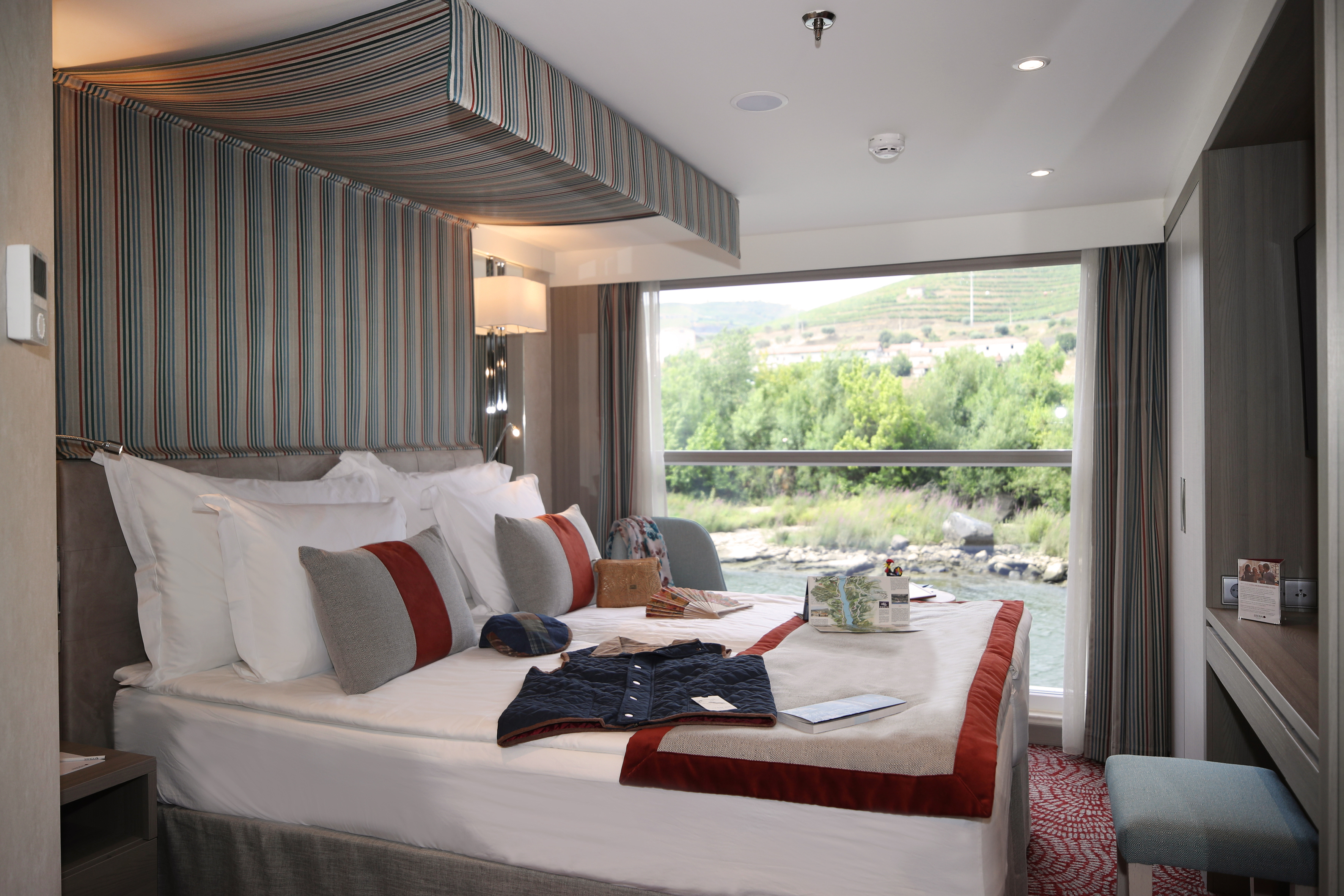
2-Bed Outside Cabin With Drop-Down Panorama Window, C
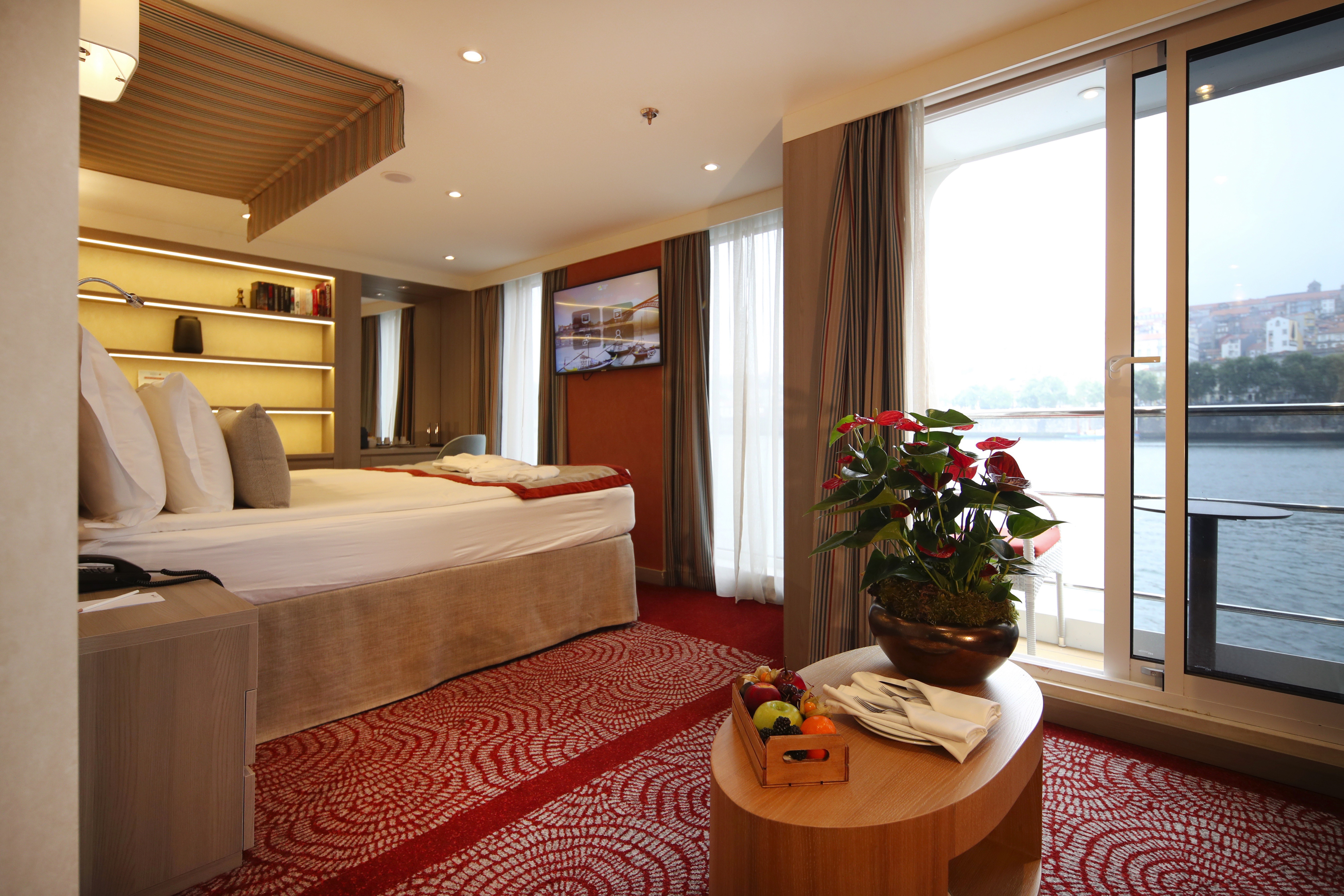
2-Bed Balcony Suite With Drop-Down Panorama Window And Balcony, F
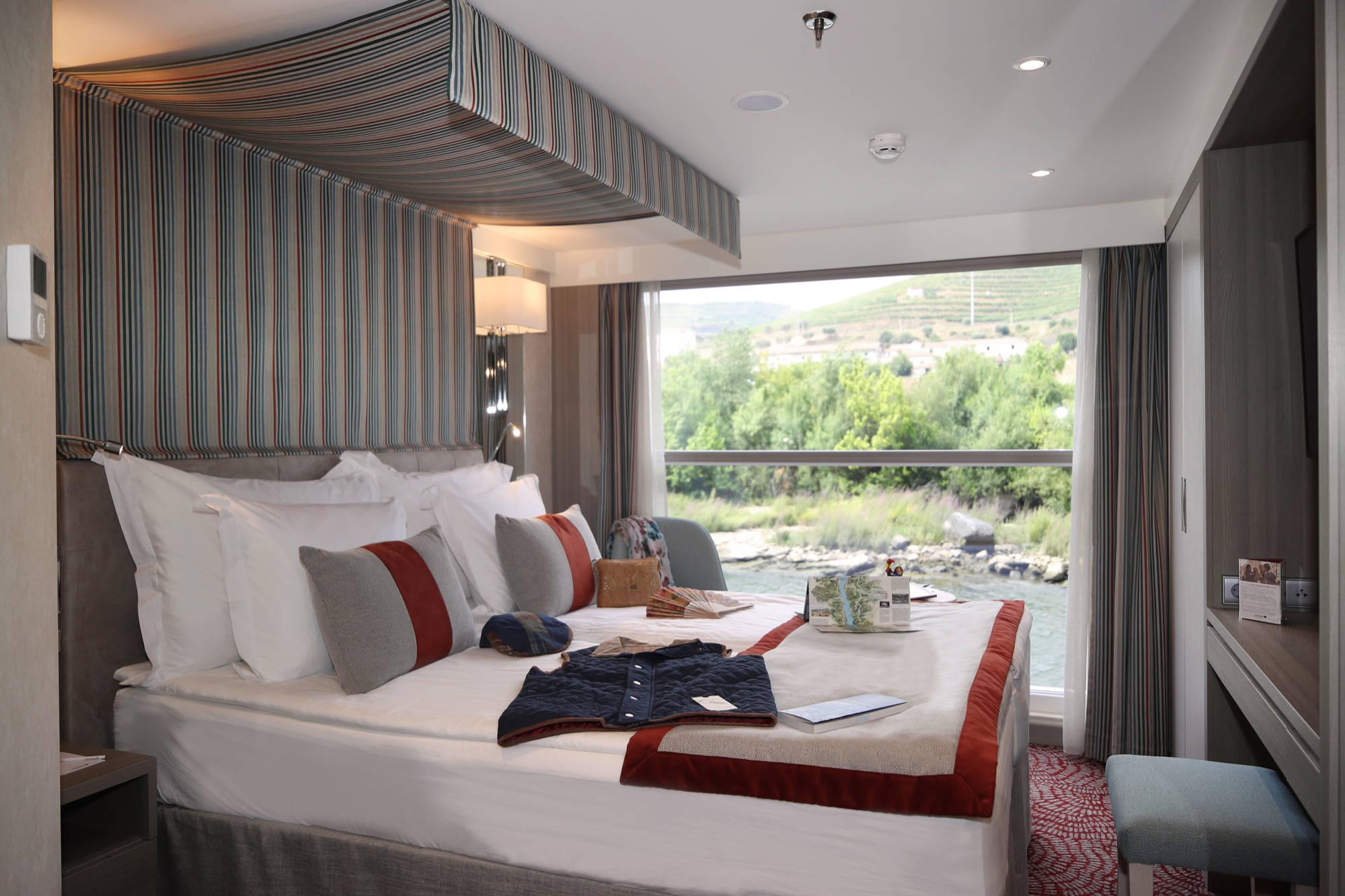
2-Bed Outside Cabin With Drop-Down Panorama Window, D
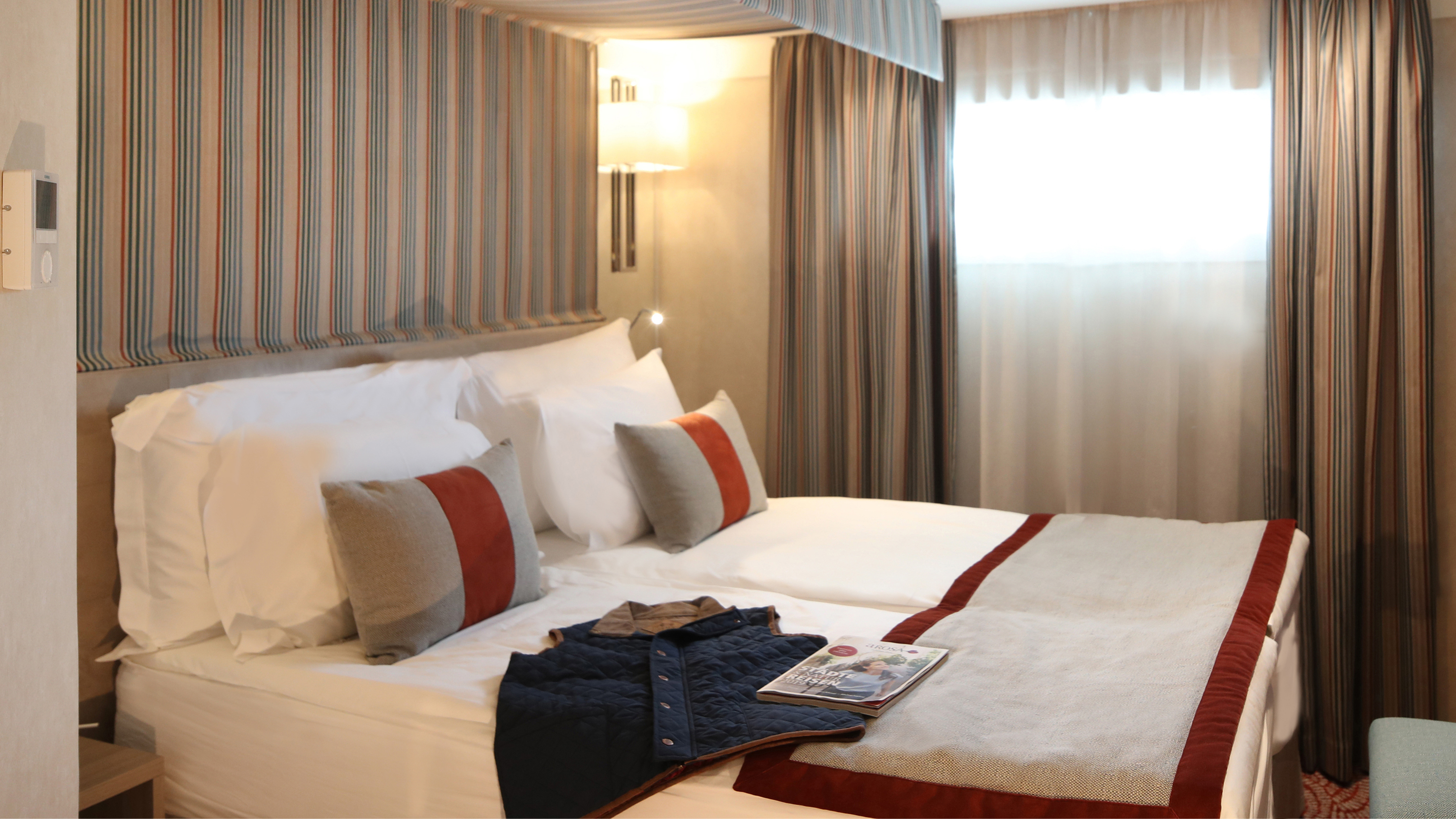
2-Bed Outside Cabin, S
2-Bed Outside Cabin, A
Ship Facilities
The Market Restaurant
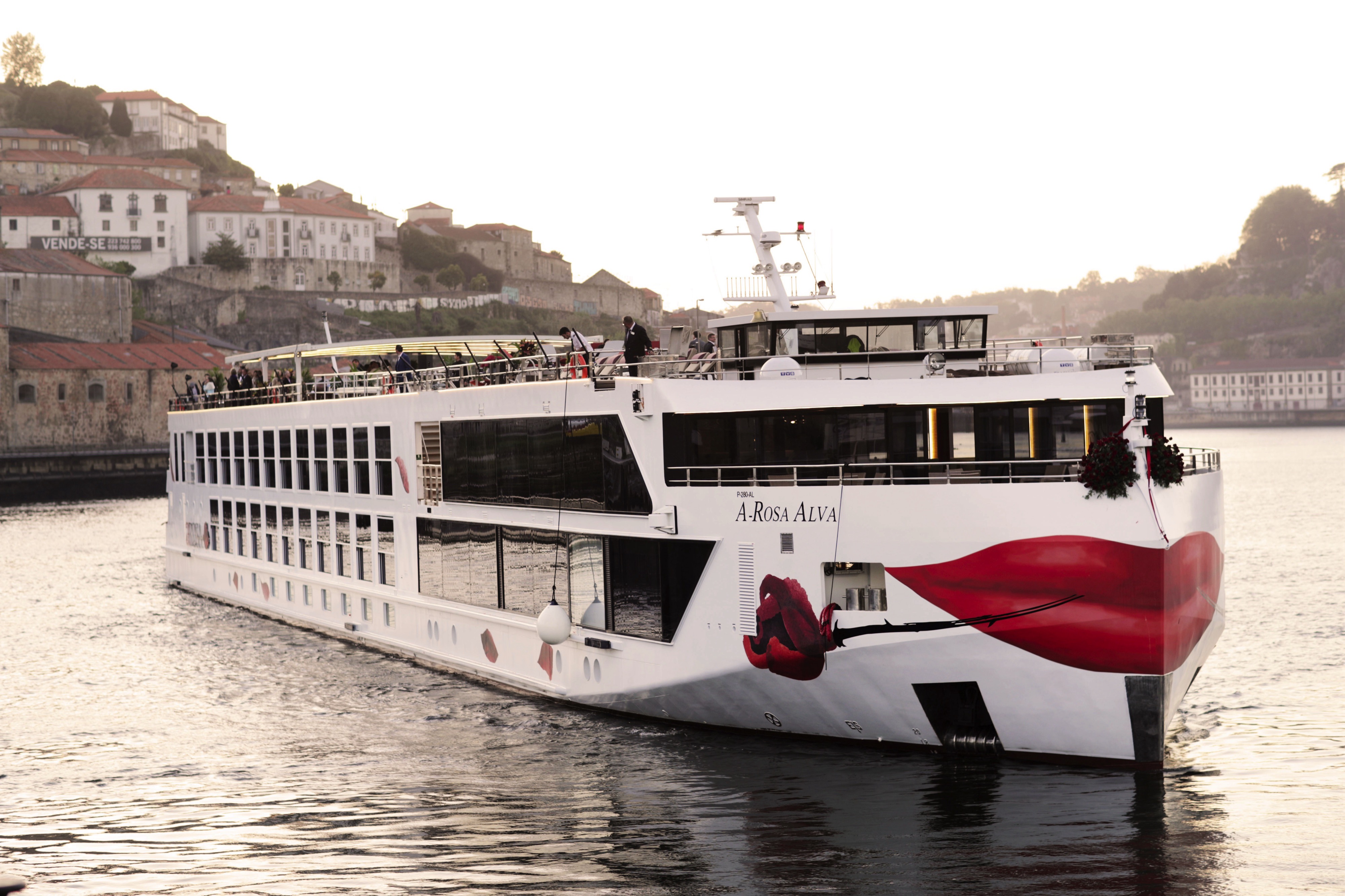
The Market Restaurant is the ship’s Dining Room (no table reservations needed). It has an open kitchen and Buffet station. The A-ROSA ALVA’s dining room menu features low-calorie, itinerary-based (regional) specialties and traditional Mediterranean dishes. Food on board is prepared with fresh locally sourced ingredients and products.
Dining is a truly un-regimented affair – unlike other river vessels, the dining room opens its welcoming arms when you are ready, rather than at a specified time. A lavish buffet with a la minute cookery stations entices you with fresh ingredients and plenty of choice. In addition, a speciality waiter service restaurant offers an alternative option, with a new menu every night and the opportunity to dine here up to three times during the week. Weather permitting, you can choose to dine al fresco around pool as you watch the beautiful scenery pass by.
On some evenings, served onboard will be a themed 3-course-dinner in a reserved part of the restaurant. A-ROSA advises guests to sign up for this evening at the reception or with the Maître as seats are limited. On these evenings, the buffet restaurant is also open as usual.
The themed evenings are at an extra charge.
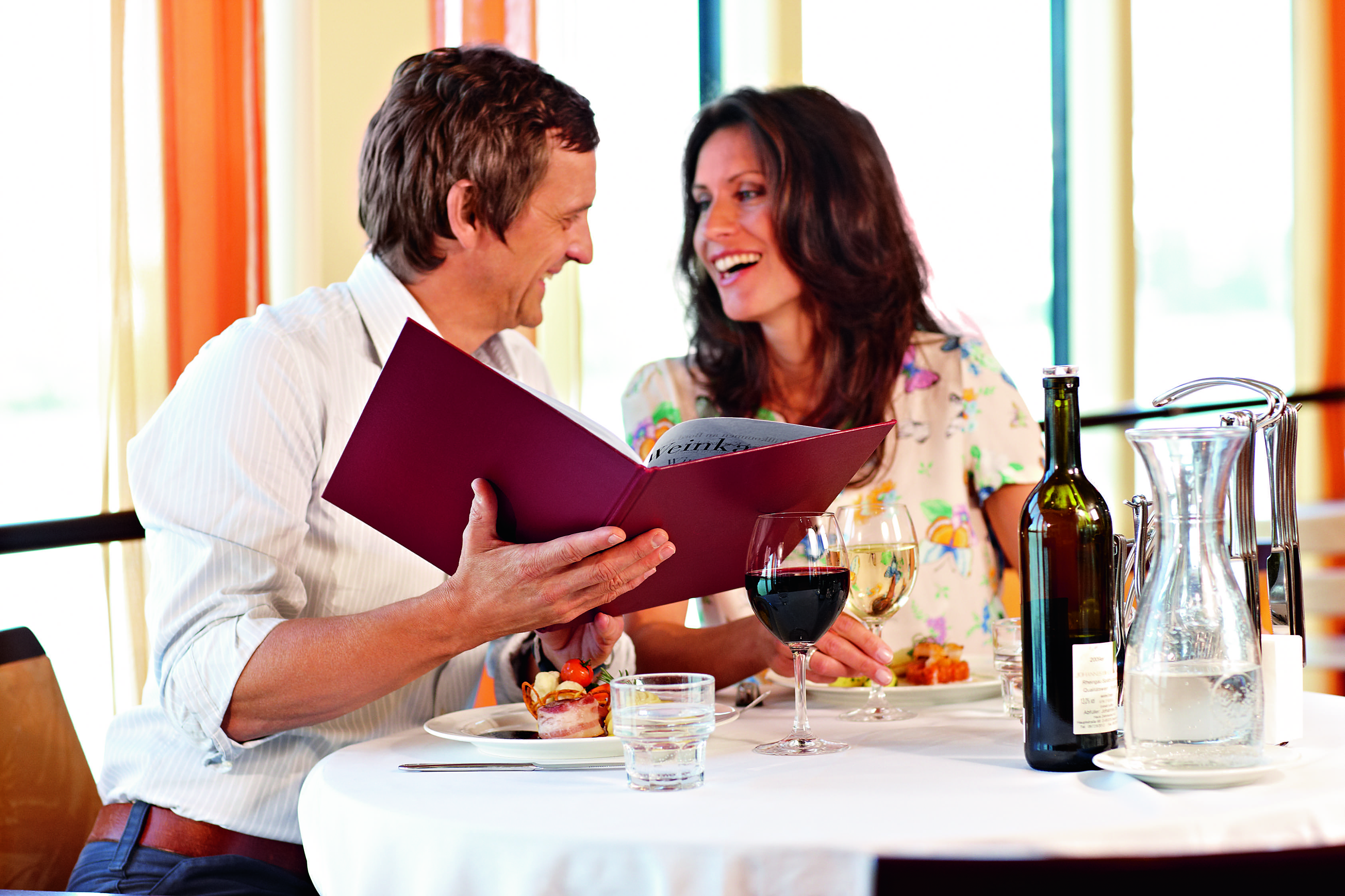
Wine & Dine
Spruce up and enjoy the finest dining experience. With Wine & Dine – Meet the Officers Edition, you can book an exclusive culinary highlight. A separate dining area is reserved for you, where we will set the table and treat you to a seasonal four-course meal – personally presented by our head chef and accompanied by exquisite wines selected by our maîtres.
The Wine & Dine menu can easily be booked on board. And if you want to discover even more of the art of winemaking and the finest local cuisine, then our wine and gourmet tours on the Rhine, Rhône and Douro are the right choice for you.

Excursions
Excursions during your A-ROSA River Cruise
A pond full of water lilies. The Japanese bridge over there. Suddenly you realise that you’re standing in the middle of one of the world’s most valuable paintings. A real-life version of the painting. What an overwhelming view at Monet’s “Water Lilies”.
Some of our excursions will take you to the places where some of the greatest artists of the 19th and 20th centuries created their works. Not only art lovers, but also history buffs and fans of adventure stories will be in their element. Medieval castles, monasteries and villages are ready to tell their stories. Our expert guides know more than any guide book about the Eiffel Tower, Empress Elisabeth’s life, Cologne Cathedral and Rotterdam’s hyper-modern architecture. Do you fancy admiring the white horses of the Camargue from a jeep? Want to ride on a horse-drawn waggon through the Puszta? Travel to the Budapest Parliament by segway? The sights you’ll encounter on our routes are world-famous. By offering our guests special ways of discovering these sights, we open up completely new perspectives for you. A-ROSA excursions delight not only guests with a hunger for new experiences and a thirst for knowledge; gourmets will also have their fill of treats. Our tours for connoisseurs offer regional cuisine with local specialities and world-famous vineyards with fine wines. Because all senses matter when it comes to new perspectives.
Excursions Information
- All shore excursions can be reserved in advance free of charge (except Exclusive Tours, which are confirmed immediately upon reservation and non-refundable). Once you are on board, your reservation will become binding and will be confirmed and billed.
- All excursions require a minimum number of participants (except Exclusive Tours), and some excursions also have a limited number of participants. If minimum numbers are not reached, the shore excursion will not take place and you won’t be charged.
- We have worked with reputable local agencies to put together a carefully curated programme of excursions for you.
- We are responsible for arranging the excursions, however, the agencies are responsible for running them. As they are the organisers of the excursions, they are also your contractual partner. Therefore, A-ROSA acts in the name and for the account of third parties.
- Our excursion agencies are Globus Tours GmbH, Churerstrasse 42, CH-8808 Pfäffikon/SZ as well as Douro Azul, Rua de Miragaia 103,4050-387 Porto, Portugal.
- The programme is subject to change.
- Headphones are available on excursions for a small fee. However, you’re also welcome to bring your own headphones.
Bike Tours
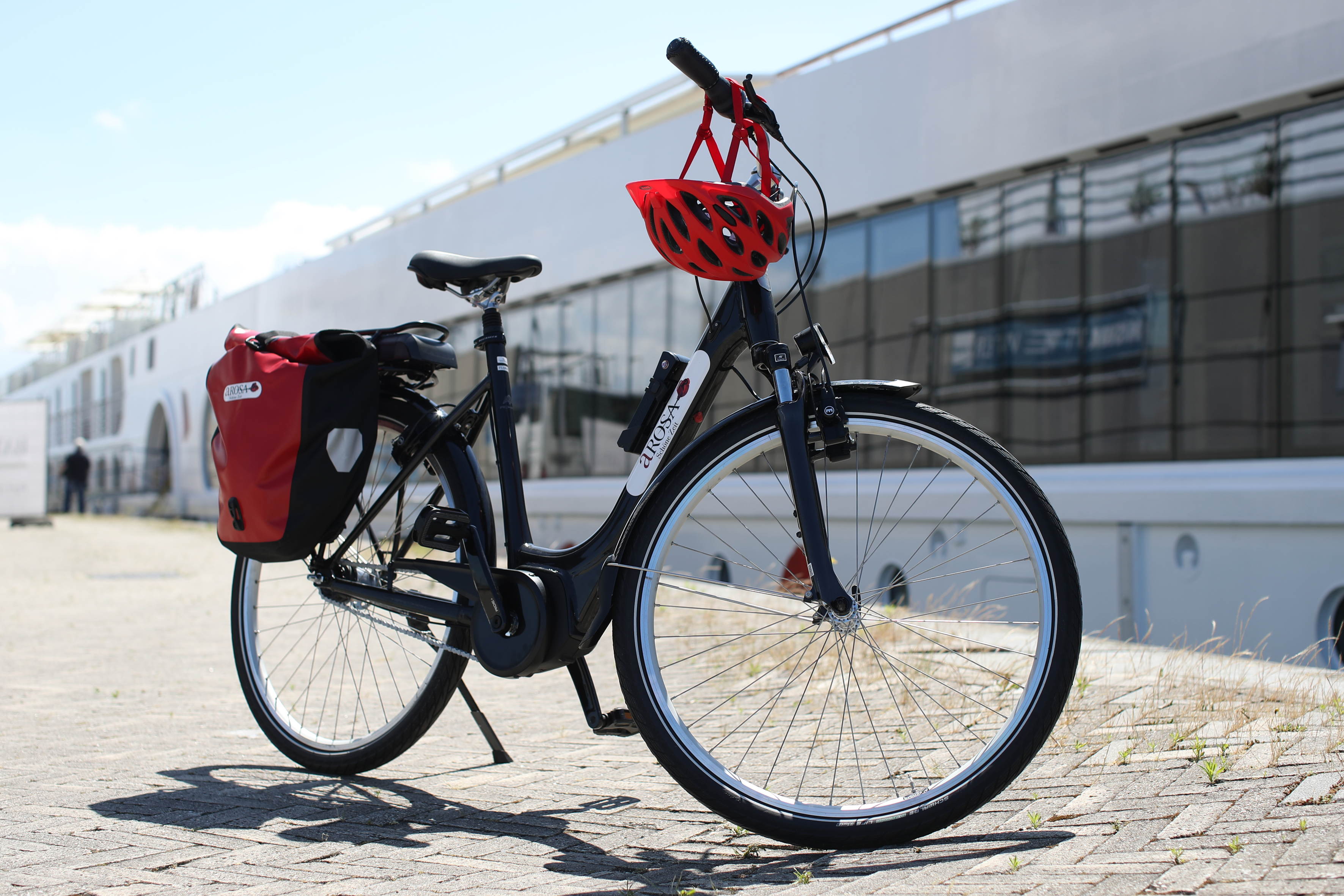
Biking excursions are subject to weather conditions. For safety reasons, between November and January, bike excursions are only offered in dry weather. Whether the bike excursion takes place will be decided on board at short notice. For more information about bike excursions, please contact the SPA-ROSA team or your Shore Excursion Expert. It is not possible to bring your own bike.
The Sun Deck
When passing under low bridges, depending on the water level, you may sometimes be required to leave the sun deck for safety reasons. Please pay attention to the crew announcements and the information signs.
You will find deckchairs and a sun canopy on the sun deck. In the interest of all passengers, please do not lay claim to unoccupied deckchairs. Woollen blankets for cooler weather on deck can be found in your cabin.
Bar
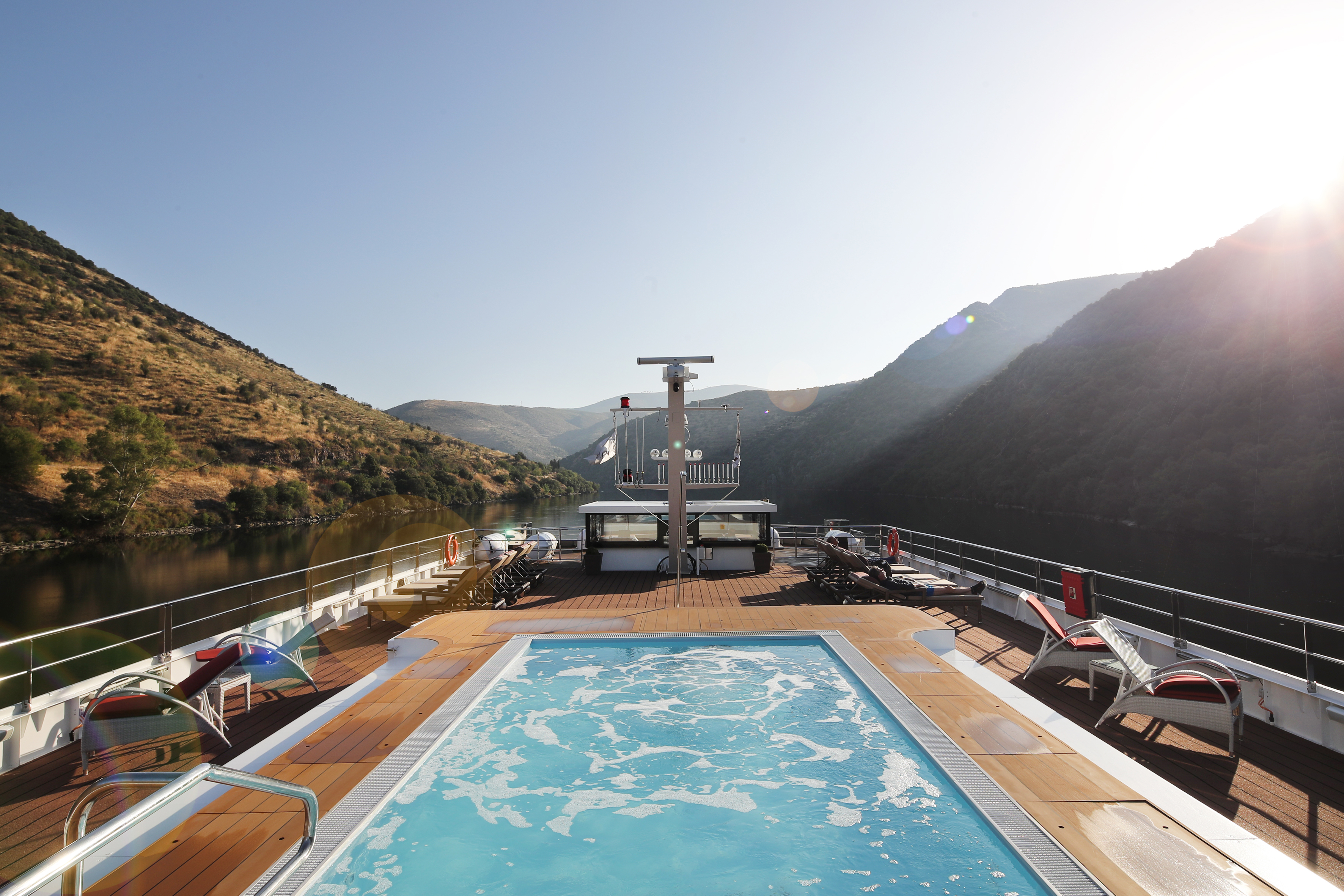
On the A-ROSA ALVA there is a lounge bar on deck 3 (from 10 am).
SPA-ROSA
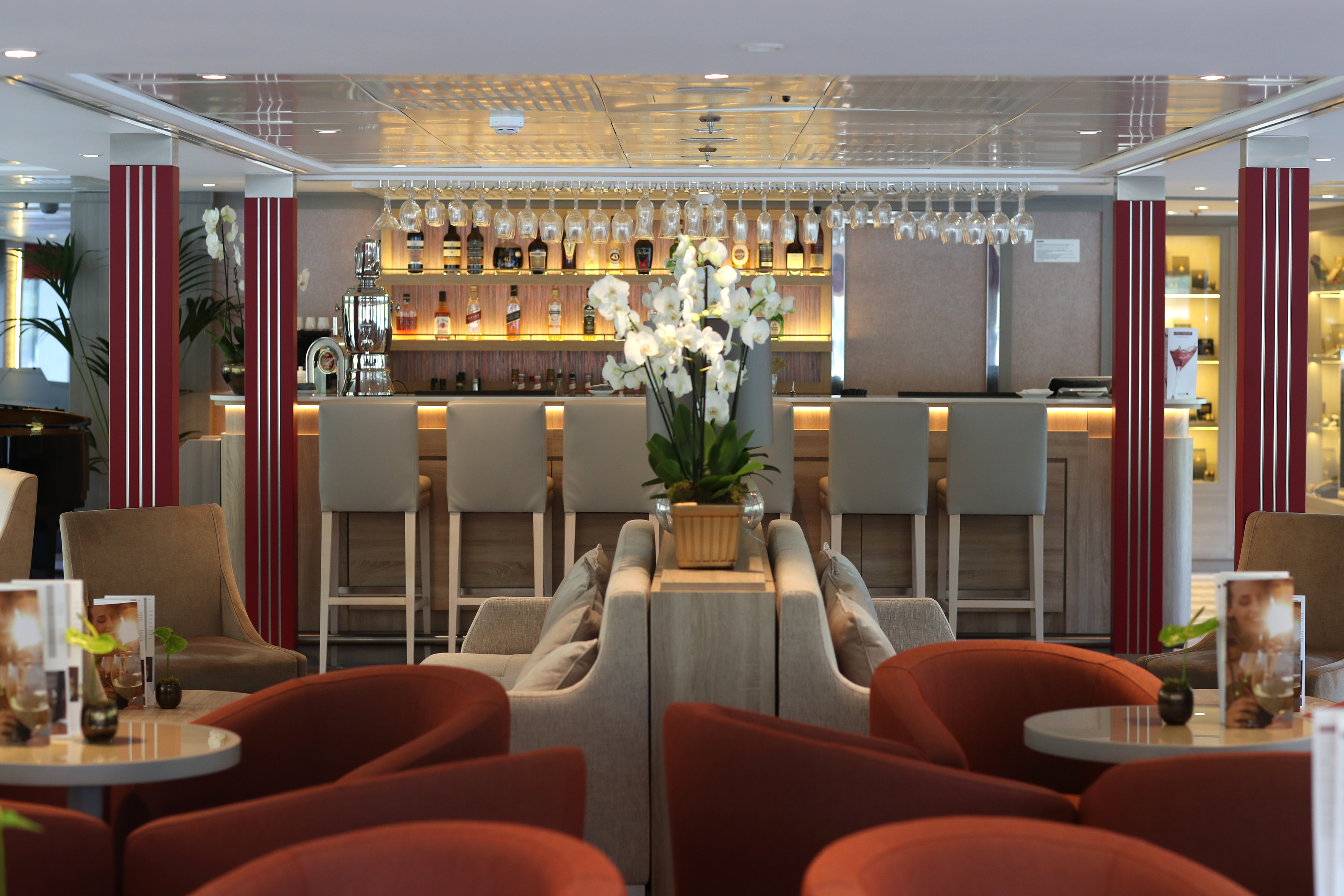
Experience beauty and anti-ageing treatments with facials, as well as comforting warmth in the sauna or sanarium, which let you benefit from more vitality and radiance. When selecting products, we deliberately chose the producer THALGO for you. Both stand for extraordinary results in the treatments, innovations, high skin compatibility and responsibility towards their personnel and the environment. Your SPA-ROSA feels a responsibility to give you the greatest possible recuperative effect during your cruise. We hope that, long after your holiday is over, you will often hear someone say, ‘You look so relaxed.’
Active recreation is offered in the especially developed exercise programme. Deep relaxation and intense well-being can be found with these treatments unique to A‑ROSA.
Heated Swimming Pool
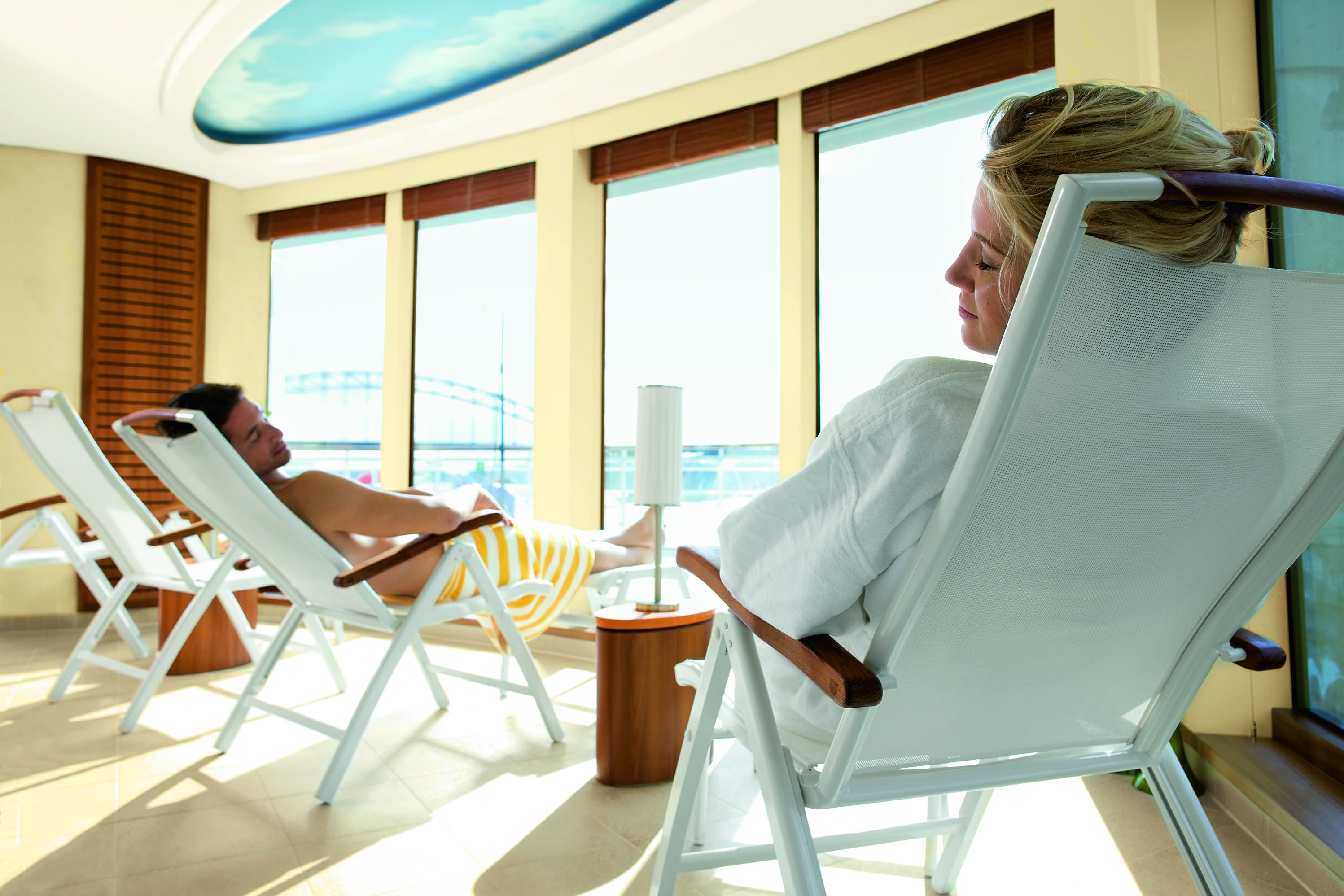
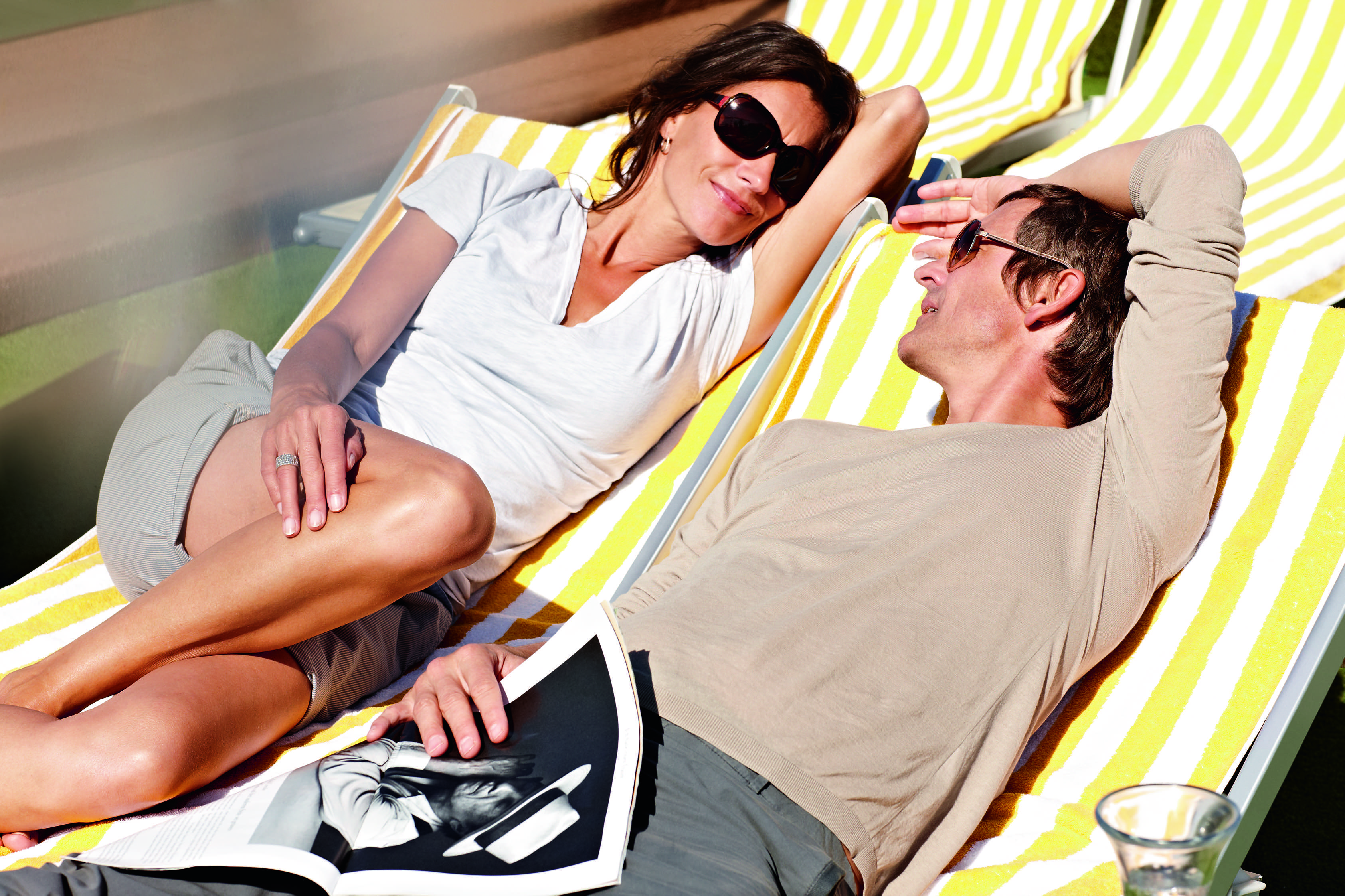
The ship’s top deck features a heated swimming pool, complete with a shower and a large sunbathing area with loungers.
Gymnasium
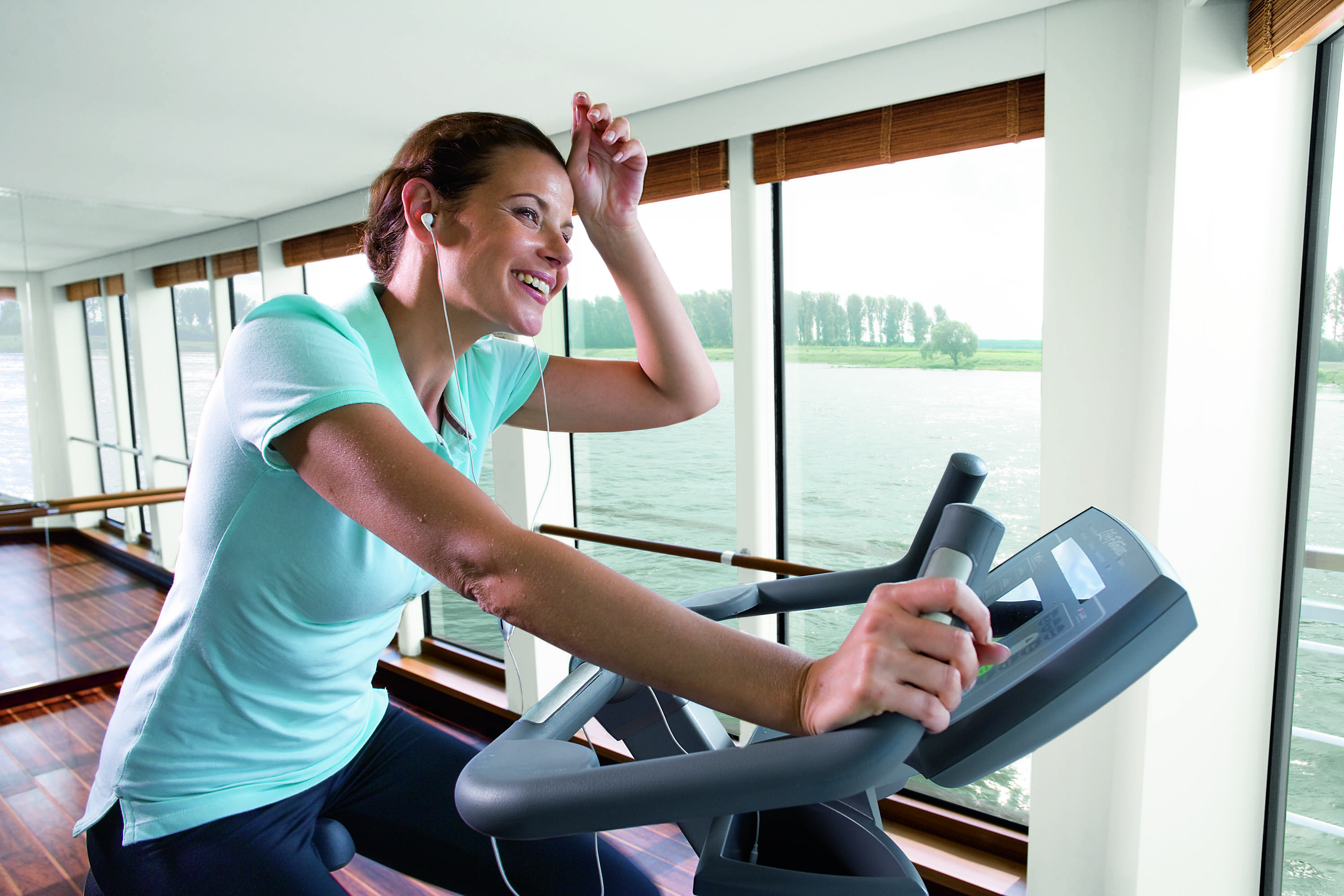
If walking the town wasn’t enough exercise, you can continue in the well-equipped gymnasium with modern cardio equipment. If desired, you can also work out with a personal trainer who can put together an individual training plan for you.
Sports & Games
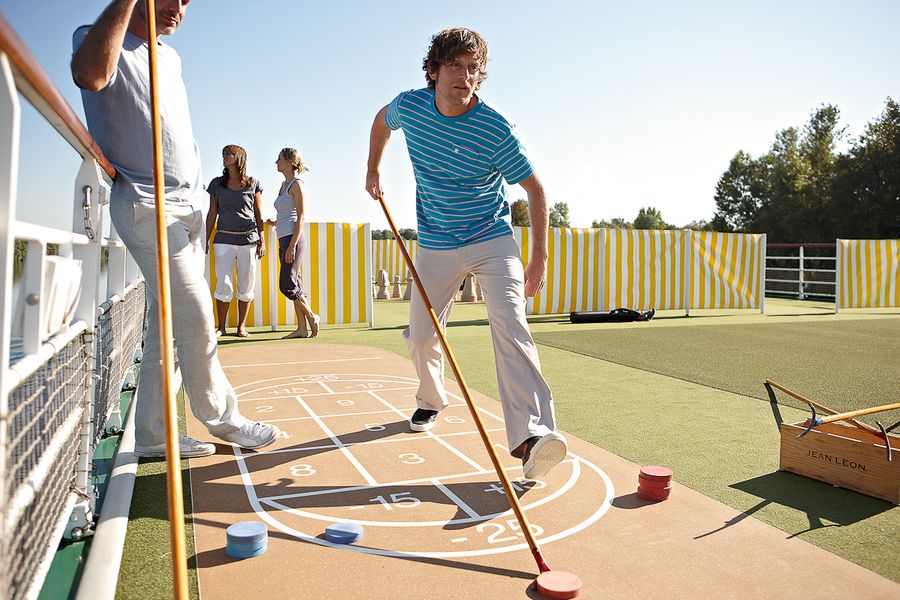
Time may fly during an exciting shuffleboard or giant chess game or even practice your putting game. What really matters is that you take all the time in the world to do whatever you want.
A-ROSA Kids Club
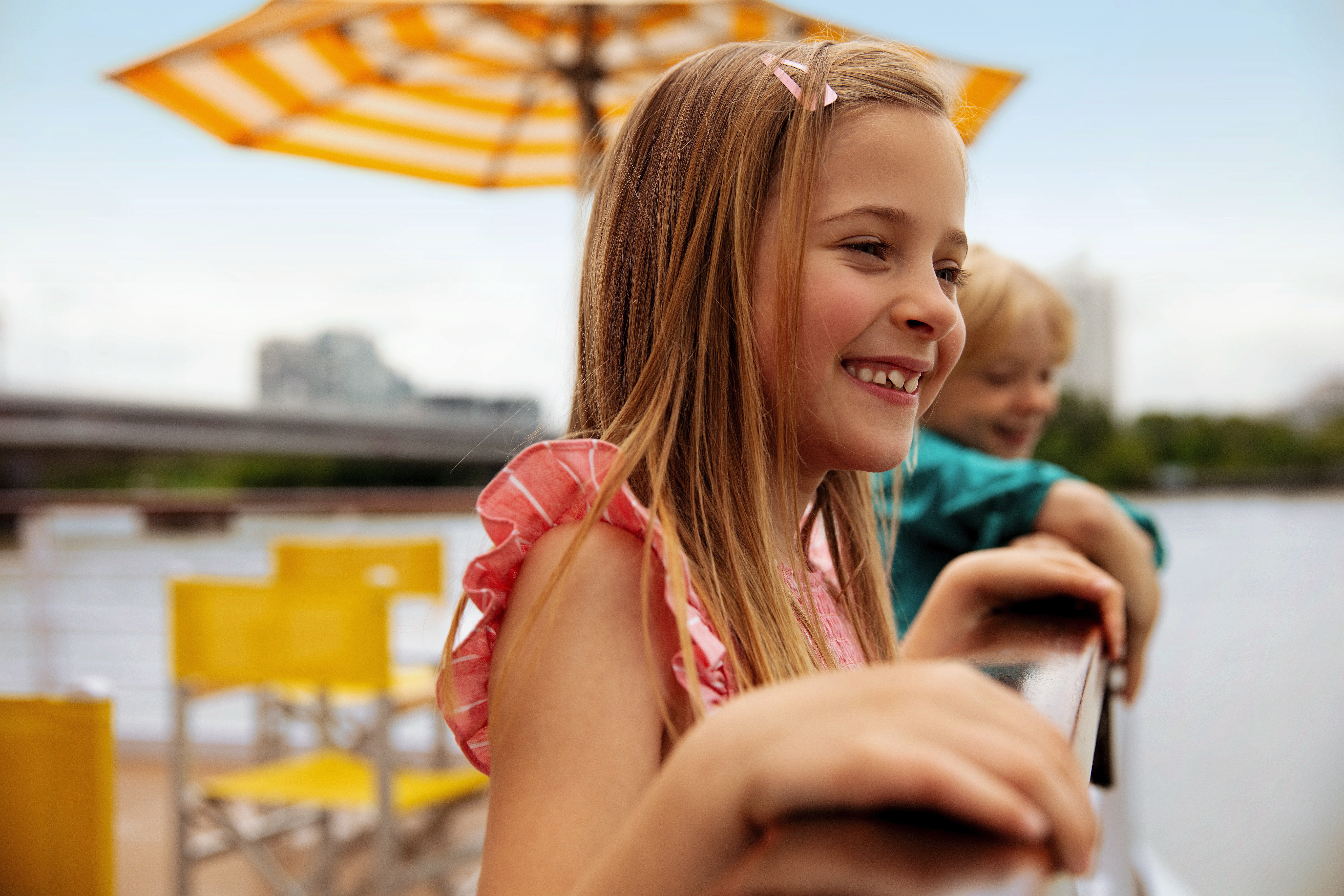
Our cruise ships are fascinating places for adults, but for children, they’re floating adventure playgrounds. And the best place to discover them is in the Kids Club – together with lots of other children, experienced staff, and plenty of fun and sporty activities like a ship rally, a pirate day, or a creative workshop. Parents aren’t welcome there. But you can always treat yourself to a spa visit before reuniting with your children at dinner, where we serve up favorite dishes specially created for these little gourmets.
- Animation program for children between 4 and 11 years old
- Up to three animation sessions daily
- When, where and what will be communicated the evening before
- Parents remain responsible for supervision, as the children are free to move around on board.
- Swimming school for children on board during the summer holidays: Swimming lessons with qualified swimming instructors.
The Market Restaurant
The Market Restaurant is the ship’s Dining Room (no table reservations needed). It has an open kitchen and Buffet station. The A-ROSA ALVA’s dining room menu features low-calorie, itinerary-based (regional) specialties and traditional Mediterranean dishes. Food on board is prepared with fresh locally sourced ingredients and products.
Dining is a truly un-regimented affair – unlike other river vessels, the dining room opens its welcoming arms when you are ready, rather than at a specified time. A lavish buffet with a la minute cookery stations entices you with fresh ingredients and plenty of choice. In addition, a speciality waiter service restaurant offers an alternative option, with a new menu every night and the opportunity to dine here up to three times during the week. Weather permitting, you can choose to dine al fresco around pool as you watch the beautiful scenery pass by.
On some evenings, served onboard will be a themed 3-course-dinner in a reserved part of the restaurant. A-ROSA advises guests to sign up for this evening at the reception or with the Maître as seats are limited. On these evenings, the buffet restaurant is also open as usual.
The themed evenings are at an extra charge.
Wine & Dine
Spruce up and enjoy the finest dining experience. With Wine & Dine – Meet the Officers Edition, you can book an exclusive culinary highlight. A separate dining area is reserved for you, where we will set the table and treat you to a seasonal four-course meal – personally presented by our head chef and accompanied by exquisite wines selected by our maîtres.
The Wine & Dine menu can easily be booked on board. And if you want to discover even more of the art of winemaking and the finest local cuisine, then our wine and gourmet tours on the Rhine, Rhône and Douro are the right choice for you.
Excursions
Excursions during your A-ROSA River Cruise
A pond full of water lilies. The Japanese bridge over there. Suddenly you realise that you’re standing in the middle of one of the world’s most valuable paintings. A real-life version of the painting. What an overwhelming view at Monet’s “Water Lilies”.
Some of our excursions will take you to the places where some of the greatest artists of the 19th and 20th centuries created their works. Not only art lovers, but also history buffs and fans of adventure stories will be in their element. Medieval castles, monasteries and villages are ready to tell their stories. Our expert guides know more than any guide book about the Eiffel Tower, Empress Elisabeth’s life, Cologne Cathedral and Rotterdam’s hyper-modern architecture. Do you fancy admiring the white horses of the Camargue from a jeep? Want to ride on a horse-drawn waggon through the Puszta? Travel to the Budapest Parliament by segway? The sights you’ll encounter on our routes are world-famous. By offering our guests special ways of discovering these sights, we open up completely new perspectives for you. A-ROSA excursions delight not only guests with a hunger for new experiences and a thirst for knowledge; gourmets will also have their fill of treats. Our tours for connoisseurs offer regional cuisine with local specialities and world-famous vineyards with fine wines. Because all senses matter when it comes to new perspectives.
Excursions Information
- All shore excursions can be reserved in advance free of charge (except Exclusive Tours, which are confirmed immediately upon reservation and non-refundable). Once you are on board, your reservation will become binding and will be confirmed and billed.
- All excursions require a minimum number of participants (except Exclusive Tours), and some excursions also have a limited number of participants. If minimum numbers are not reached, the shore excursion will not take place and you won’t be charged.
- We have worked with reputable local agencies to put together a carefully curated programme of excursions for you.
- We are responsible for arranging the excursions, however, the agencies are responsible for running them. As they are the organisers of the excursions, they are also your contractual partner. Therefore, A-ROSA acts in the name and for the account of third parties.
- Our excursion agencies are Globus Tours GmbH, Churerstrasse 42, CH-8808 Pfäffikon/SZ as well as Douro Azul, Rua de Miragaia 103,4050-387 Porto, Portugal.
- The programme is subject to change.
- Headphones are available on excursions for a small fee. However, you’re also welcome to bring your own headphones.
Bike Tours
Biking excursions are subject to weather conditions. For safety reasons, between November and January, bike excursions are only offered in dry weather. Whether the bike excursion takes place will be decided on board at short notice. For more information about bike excursions, please contact the SPA-ROSA team or your Shore Excursion Expert. It is not possible to bring your own bike.
The Sun Deck
When passing under low bridges, depending on the water level, you may sometimes be required to leave the sun deck for safety reasons. Please pay attention to the crew announcements and the information signs.
You will find deckchairs and a sun canopy on the sun deck. In the interest of all passengers, please do not lay claim to unoccupied deckchairs. Woollen blankets for cooler weather on deck can be found in your cabin.
Bar
On the A-ROSA ALVA there is a lounge bar on deck 3 (from 10 am).
SPA-ROSA
Experience beauty and anti-ageing treatments with facials, as well as comforting warmth in the sauna or sanarium, which let you benefit from more vitality and radiance. When selecting products, we deliberately chose the producer THALGO for you. Both stand for extraordinary results in the treatments, innovations, high skin compatibility and responsibility towards their personnel and the environment. Your SPA-ROSA feels a responsibility to give you the greatest possible recuperative effect during your cruise. We hope that, long after your holiday is over, you will often hear someone say, ‘You look so relaxed.’
Active recreation is offered in the especially developed exercise programme. Deep relaxation and intense well-being can be found with these treatments unique to A‑ROSA.
Heated Swimming Pool
The ship’s top deck features a heated swimming pool, complete with a shower and a large sunbathing area with loungers.
Gymnasium
If walking the town wasn’t enough exercise, you can continue in the well-equipped gymnasium with modern cardio equipment. If desired, you can also work out with a personal trainer who can put together an individual training plan for you.
Sports & Games
Time may fly during an exciting shuffleboard or giant chess game or even practice your putting game. What really matters is that you take all the time in the world to do whatever you want.
A-ROSA Kids Club
Our cruise ships are fascinating places for adults, but for children, they’re floating adventure playgrounds. And the best place to discover them is in the Kids Club – together with lots of other children, experienced staff, and plenty of fun and sporty activities like a ship rally, a pirate day, or a creative workshop. Parents aren’t welcome there. But you can always treat yourself to a spa visit before reuniting with your children at dinner, where we serve up favorite dishes specially created for these little gourmets.
- Animation program for children between 4 and 11 years old
- Up to three animation sessions daily
- When, where and what will be communicated the evening before
- Parents remain responsible for supervision, as the children are free to move around on board.
- Swimming school for children on board during the summer holidays: Swimming lessons with qualified swimming instructors.
About the Ship
Deck Plans

- 2 Bed outside cabin A
- 2 Bed outside cabin S
- Sauna
- SPA Relaxation Area
- Massage
Atrium with drink station

- 2 Bed outside cabin C
- Market Restaurant
- Gym
- Atrium with drink station

- 2 Bed outside cabin D
- 2 Bed outside suite F
- Lunge outdoor area
- Lounge
- Stage /Dance Floor
- Bar
- Onboard Shop
- Reception

- Wheelhouse
- Outdoor Shower
- Swimming Pool
- Outdoor Restaurant with awnings
- 2 Bed outside cabin A
- 2 Bed outside cabin S
- Sauna
- SPA Relaxation Area
- Massage
Atrium with drink station
- 2 Bed outside cabin C
- Market Restaurant
- Gym
- Atrium with drink station
- 2 Bed outside cabin D
- 2 Bed outside suite F
- Lunge outdoor area
- Lounge
- Stage /Dance Floor
- Bar
- Onboard Shop
- Reception
- Wheelhouse
- Outdoor Shower
- Swimming Pool
- Outdoor Restaurant with awnings